Short answer. Blackheads form when excess oil and dead skin cells build up inside a pore and widen its opening. The American Academy of Dermatology (AAD) says the black colour is not dirt. It appears when the buildup inside the pore reacts with oxygen in the air (AAD).
Add the products on your shelf to Oleah and you have one list of what you already own, including two products doing the same job.
Published 31 October 2026. Last updated 31 October 2026. Sources checked 24 October 2026. Written by the Oleah team from the sources listed below.
What is a blackhead?
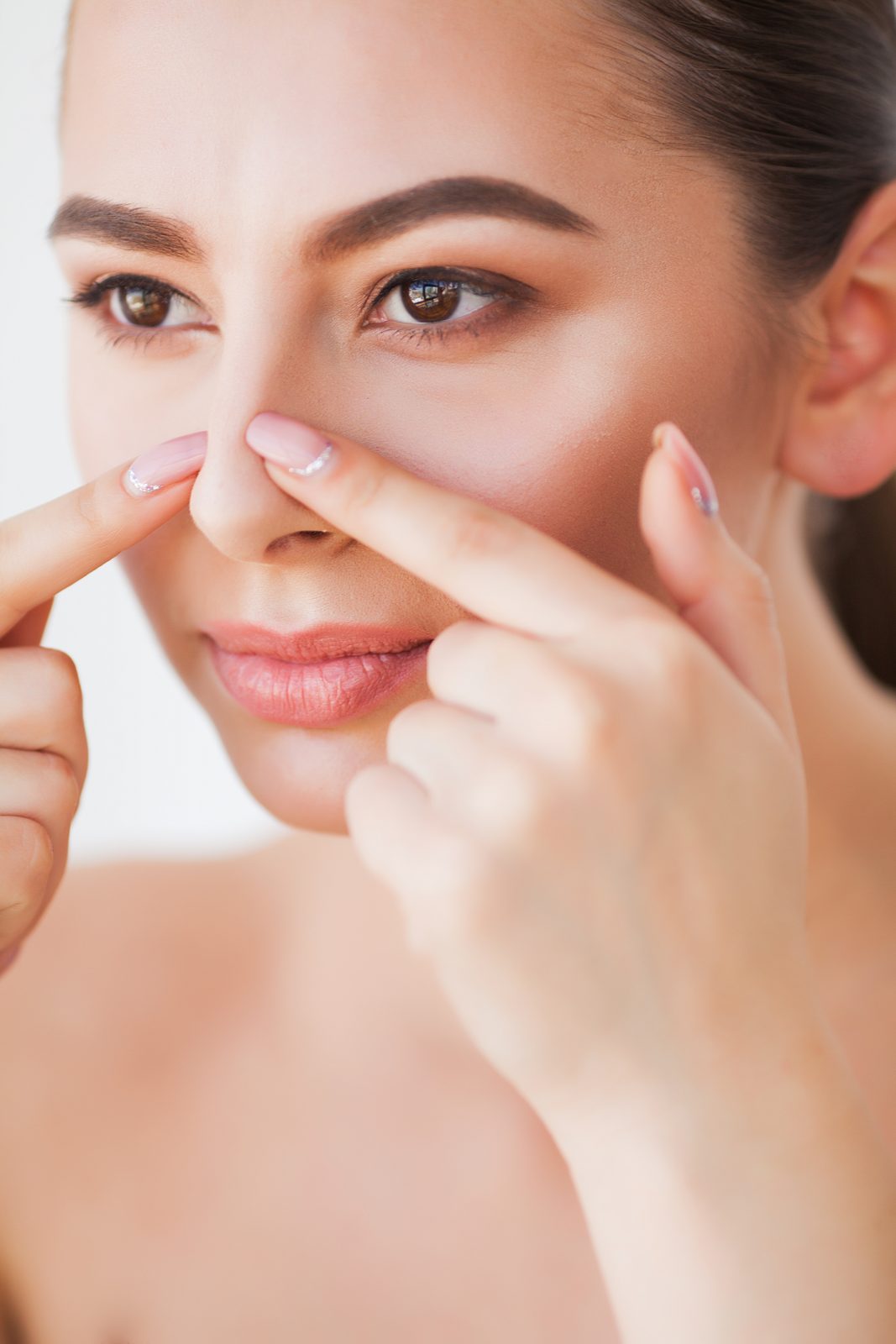
A blackhead is a small dark spot in an open pore. The NHS describes blackheads as black and brown spots that are usually flat but may be raised (NHS). Cleveland Clinic says they show up most often on the face, especially the nose and chin, and on the neck, back and chest (Cleveland Clinic).
Why are blackheads black?
Because of air, not dirt. The AAD explains it like this.
"Many people mistakenly believe the black speck is dirt. What you're really seeing is a chemical reaction." American Academy of Dermatology, Acne: Signs and symptoms
For your routine, this means scrubbing harder will not wash the colour out.
Blackheads vs sebaceous filaments: what is the difference?
Sebaceous filaments are a normal part of skin, and up close they can look like blackheads. Cleveland Clinic says sebaceous filaments are thin, threadlike structures that help move oil from the oil glands to the surface of the skin (Cleveland Clinic). It says a blackhead has a plug of oil at the surface that stops oil travelling through the pore. A sebaceous filament has no plug.
| Blackhead | Sebaceous filament | |
|---|---|---|
| What it is | Oil and dead skin cells built up inside an open pore (AAD) | A threadlike lining that moves oil to the skin surface (Cleveland Clinic) |
| Plug | A plug of oil at the surface (Cleveland Clinic) | No plug, so oil flows freely (Cleveland Clinic) |
| Look | A dark speck | Usually smaller, flat and lighter: gray, light brown or yellow (Cleveland Clinic) |
What makes pores clog?
Oil and dead skin cells. The NHS says hair follicles can become blocked with excess oil and dead skin cells (NHS). The AAD says hormones called androgens increase the size of the oil glands during puberty, and the glands then make more oil (AAD).
Can your skincare or makeup play a part?
Yes. The AAD lists oily makeup and skin care products, and oily hair products, among things that can make breakouts worse (AAD). The NHS names products used on skin or hair that make skin greasy (NHS).
| Possible cause | What the source says |
|---|---|
| Oil and dead skin cells | Build up inside the pore (AAD) |
| Hormones | Androgens enlarge oil glands during puberty (AAD) |
| Oily products | Oily makeup, skin care and hair products can make it worse (AAD) |
| Air | Turns the buildup dark (AAD) |
What should you look for on your labels?
The NHS suggests skincare and makeup labelled non-comedogenic, which means they will not clog pores (NHS). The AAD lists "won't clog pores", "non-acnegenic" and "oil free" as other labels to look for (AAD). For help with labels, read how do you read a skincare ingredient list.
How do you check your shelf for this?
If you searched for how to get rid of blackheads, the sources above point to labels and habits, not a quick fix. These steps are about your routine and your labels.
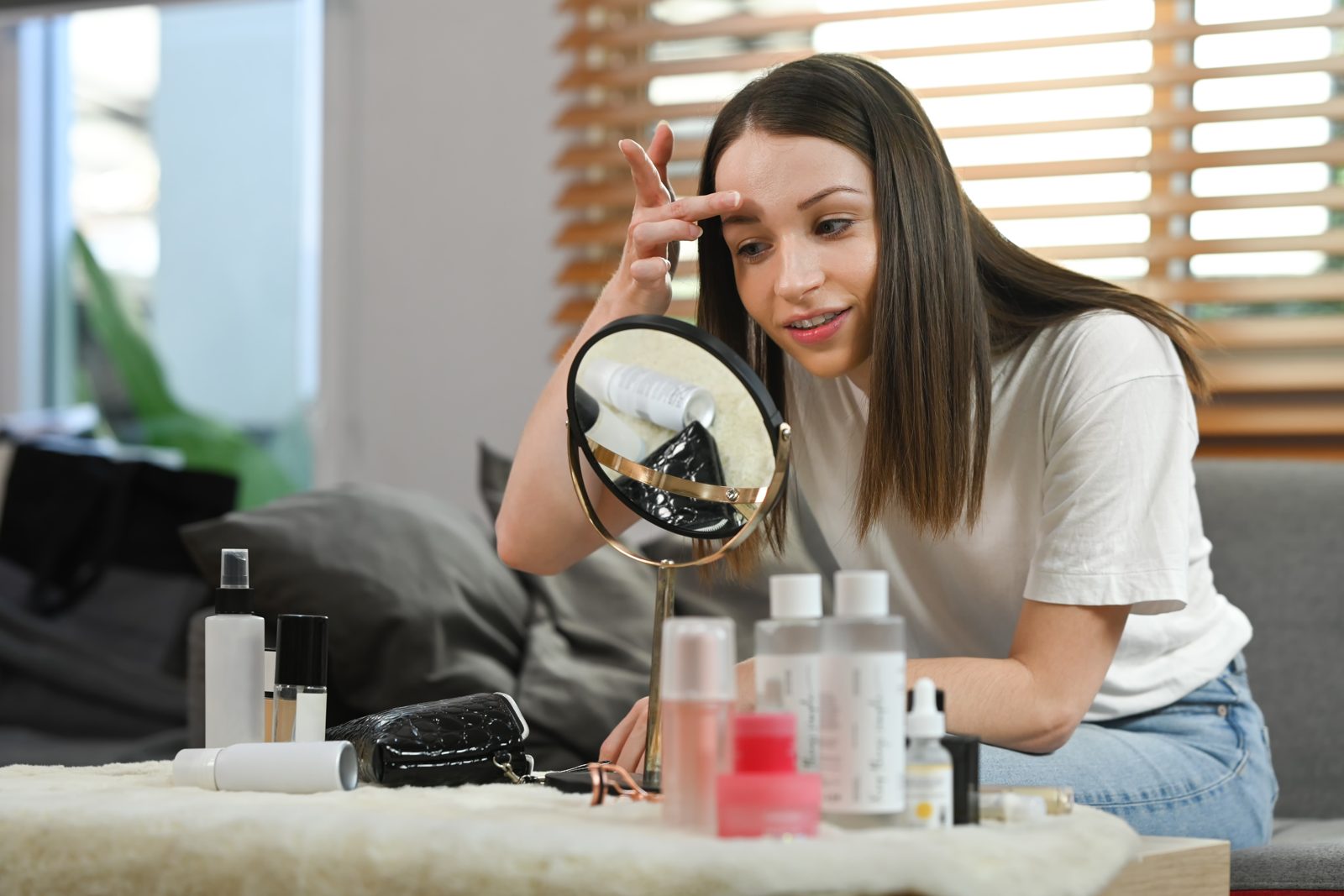
- Gather the products you use on your face and hair. Hair products touch your forehead too.
- Read the labels. Look for "non-comedogenic", "won't clog pores" or "oil free".
- Add the products on your shelf to Oleah. You have one list of what you already own, including two products doing the same job.
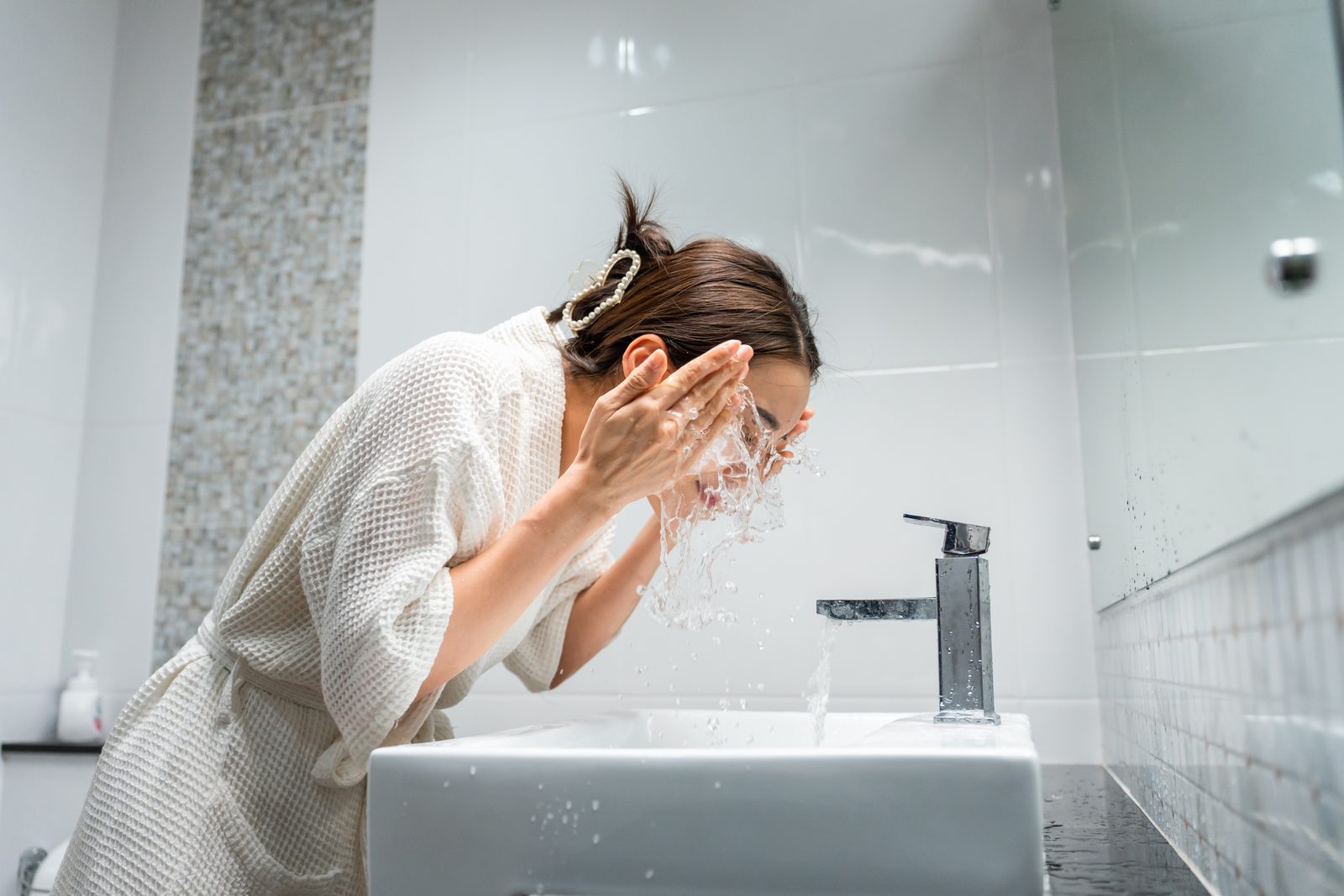
- Keep a gentle cleanser. The NHS suggests washing twice a day with a gentle cleanser and not scrubbing (NHS). Read how to know if a cleanser is working.
- Leave them alone. The NHS says not to pick or squeeze spots, because it can cause scars (NHS).
- Change one product at a time. Then you can see what made a difference.
When should you ask for help?
The NHS says a pharmacist can give advice on spots (NHS). Cleveland Clinic says to see a dermatologist if you have blackheads along with more severe spots (Cleveland Clinic). If a product stings, burns or makes your skin red, wash it off and stop using it. If a doctor prescribed it, ask them first. If your skin stays sore, see a pharmacist or doctor. If it blisters or swells, see a doctor today. If your lips, tongue or throat swell, or you have trouble breathing, call emergency services now. Oleah is not a doctor and does not give medical advice.
How to check this on your own shelf
Oleah is an iPhone app for the skincare you already own. You add the products on your shelf or in your routine, and each morning you take a quick face scan that takes about 30 seconds. Oleah can flag products on your shelf that may not belong together. There is a check-in on day 3, a report on day 7 and a report on day 14. Oleah is not a doctor and does not give medical advice.
Download the free iPhone beta. Add the products on your shelf, then take a quick face scan in the morning.
Questions people ask
Are blackheads dirt? No. The AAD says the dark colour comes from the buildup in the pore reacting with oxygen in the air.
What causes blackheads on the nose? The same buildup of oil and dead skin cells inside a pore. Cleveland Clinic says the nose and chin are common places for them.
Can skincare products cause blackheads? The AAD says oily makeup and skin care products can make breakouts worse. The NHS suggests products labelled non-comedogenic.
Are blackheads the same as sebaceous filaments? No. Cleveland Clinic says a sebaceous filament is a normal part of skin with no plug, so oil flows freely. A blackhead has a plug of oil at the surface of the pore.
Should I squeeze blackheads? The NHS says not to pick or squeeze spots, because it can cause scars.
Sources
- American Academy of Dermatology, "Acne: Signs and symptoms". https://www.aad.org/public/diseases/acne/really-acne/symptoms. Accessed 24 October 2026.
- American Academy of Dermatology, "Acne: Who gets and causes". https://www.aad.org/public/diseases/acne/causes/acne-causes. Accessed 24 October 2026.
- American Academy of Dermatology, "9 things to try when acne won't clear". https://www.aad.org/public/diseases/acne/diy/wont-clear. Accessed 24 October 2026.
- NHS, "Acne". https://www.nhs.uk/conditions/acne/. Accessed 24 October 2026.
- Cleveland Clinic, "Blackheads". https://my.clevelandclinic.org/health/diseases/22038-blackheads. Accessed 24 October 2026.
- Cleveland Clinic, "Sebaceous filaments", 4 January 2023. https://my.clevelandclinic.org/health/diseases/24571-sebaceous-filaments. Accessed 24 October 2026.
Oleah tracks how your skin looks. It is not a medical device. See a doctor about skin conditions.