
Which AI skincare apps are best for 2027?
There is no single best AI skincare app. Four apps in their own App Store words, plus Oleah, so you can pick by shelf and over-time record.
 HomeFeaturesArticlesFAQDownload
There is no single best AI skincare app. Four apps in their own App Store words, plus Oleah, so you can pick by shelf and over-time record.
Follow each label and patch test anything new first.
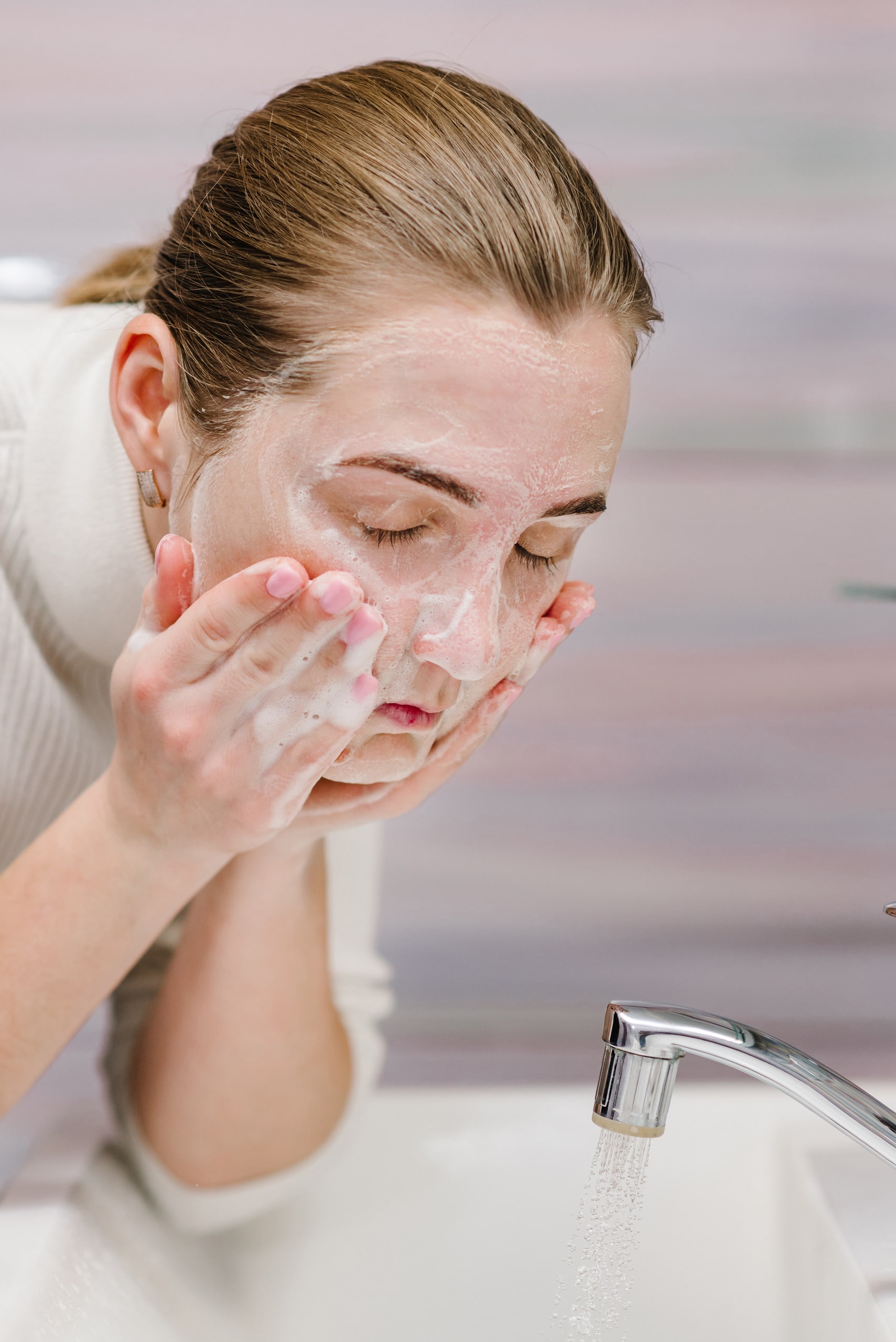
Sensitive skin may sting or burn after product use, says the AAD. Use mild fragrance-free products and ask a dermatologist about flares.
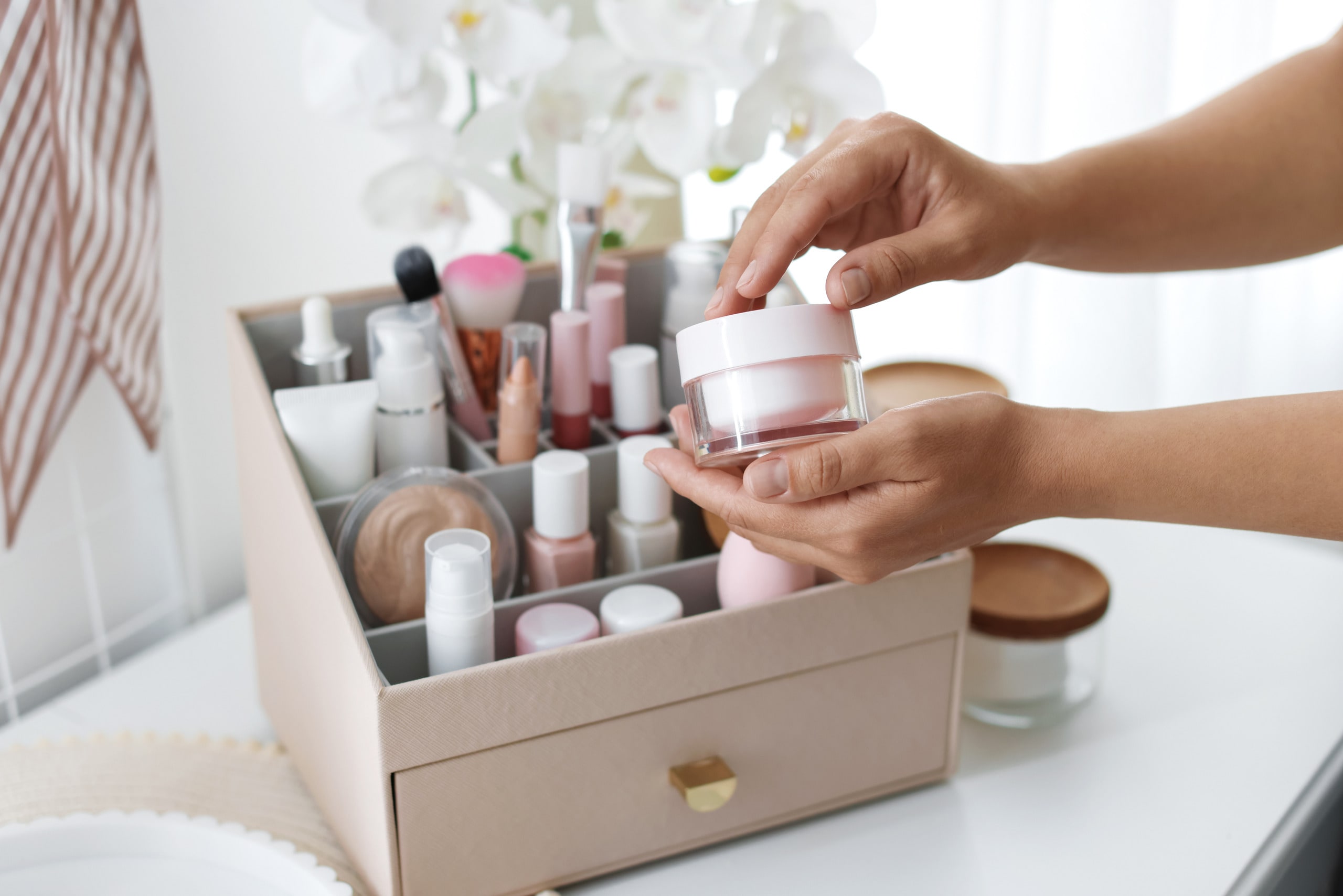
List what you own, find doubles and near-empties, and check a new buy fits your routine. Patch test anything new first, as the AAD advises.
People keep asking about simpler shelves, ingredient pairings and skincare apps. Check a trend against your shelf first.
Follow each label and patch test anything new first.
Combination skin is dry in some areas and oily in others, says the AAD. Moisturise dry spots, go lighter on oily zones, and keep sunscreen every morning.
There is no single best skincare app for iPhone. Five apps in their own App Store words, plus Oleah, so you can pick by shelf and compatibility, not scans.
We found no source that says to keep glycolic acid and vitamin C apart. Use sunscreen with AHAs. Add one new product at a time.
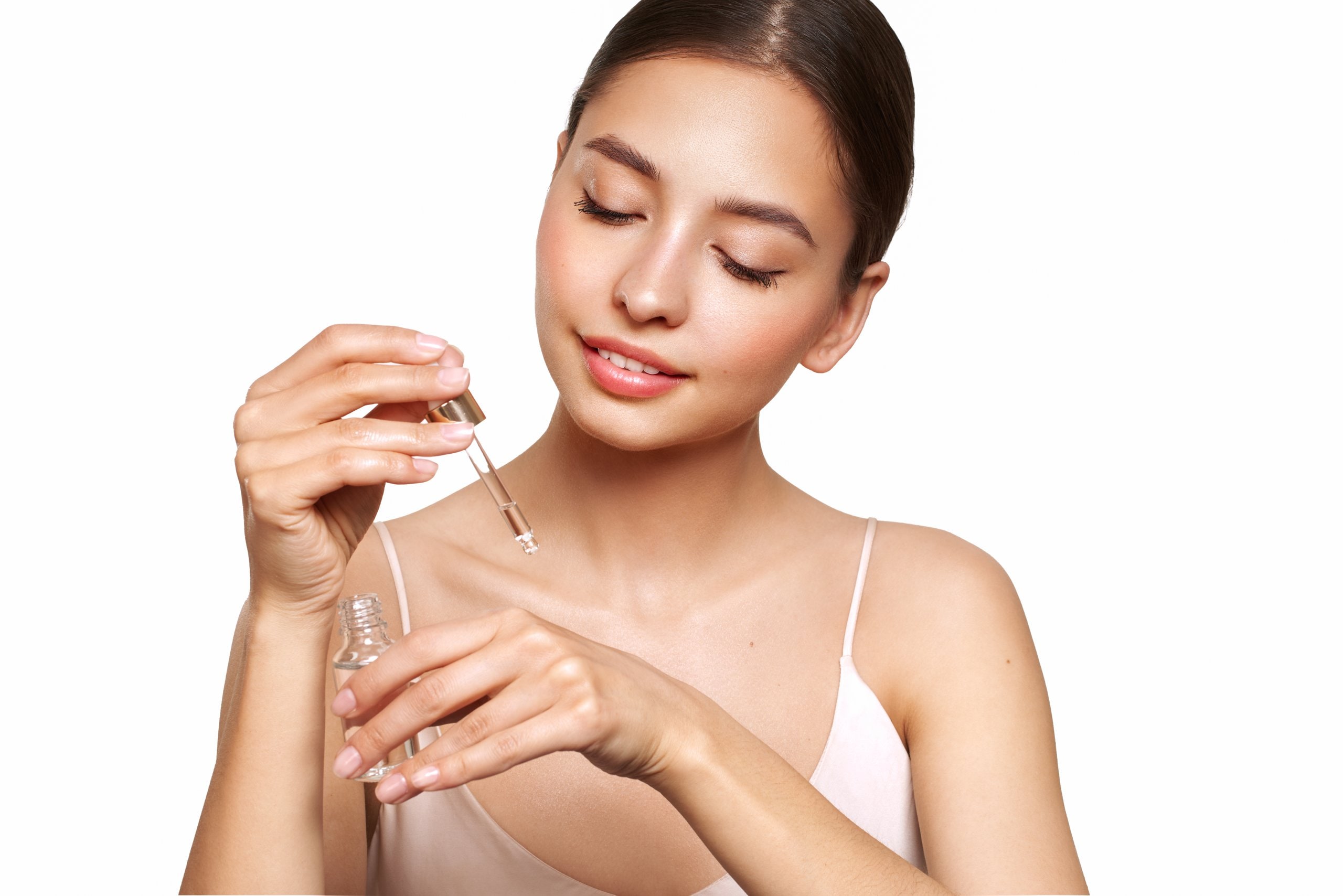
We found no source that says to keep peptides and retinol apart. Start retinol every other night and add one new product at a time.
Cleveland Clinic says hyaluronic acid products are often used with vitamin C products. Follow each label and add one new product at a time.
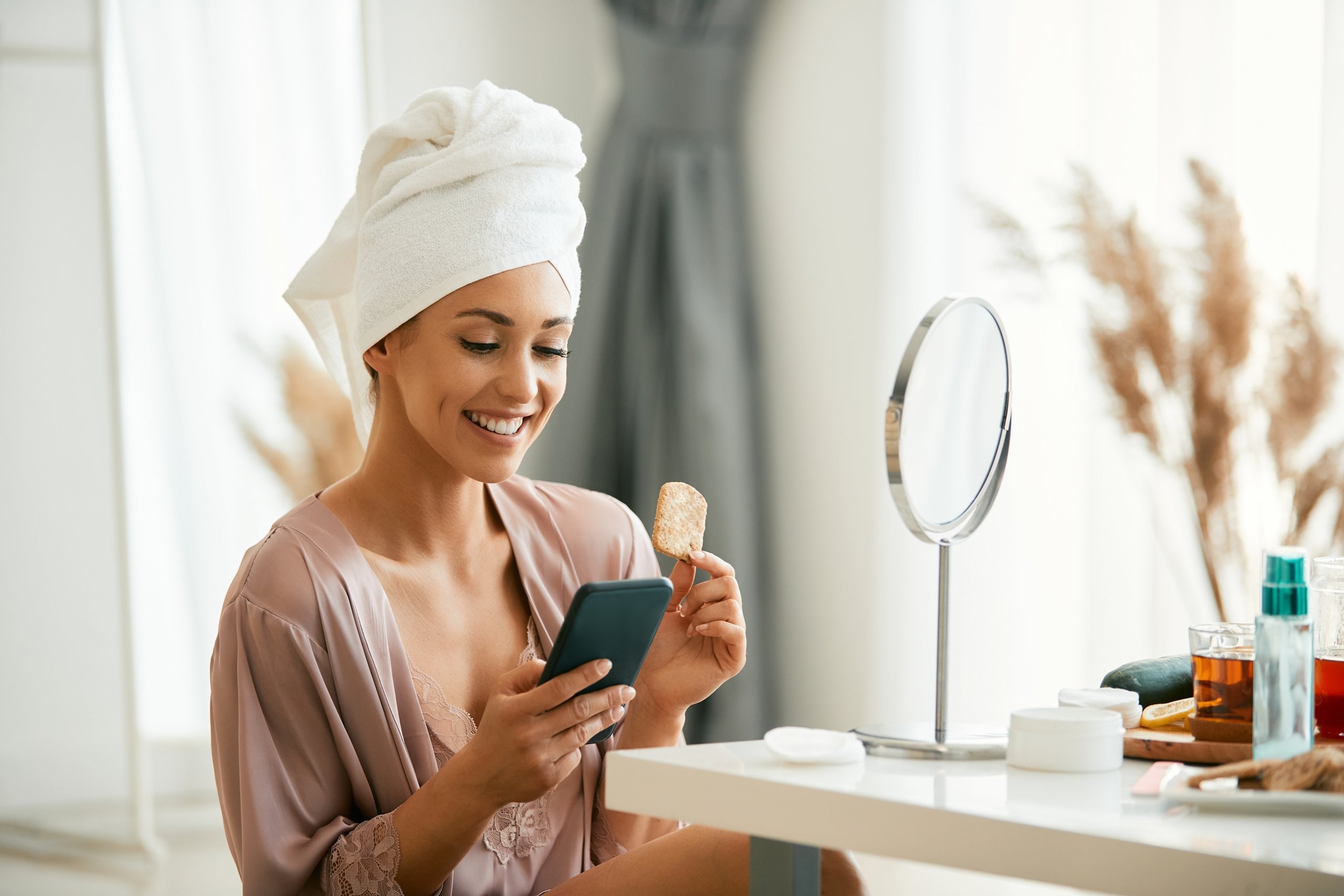
There is no single best skin tracker app. Four apps, in their own App Store words, plus Oleah, so you can pick by shelf and over-time record.
Yes. Cleveland Clinic lists hyaluronic acid among products often helpful to pair with niacinamide. Add one new product at a time and follow each label.
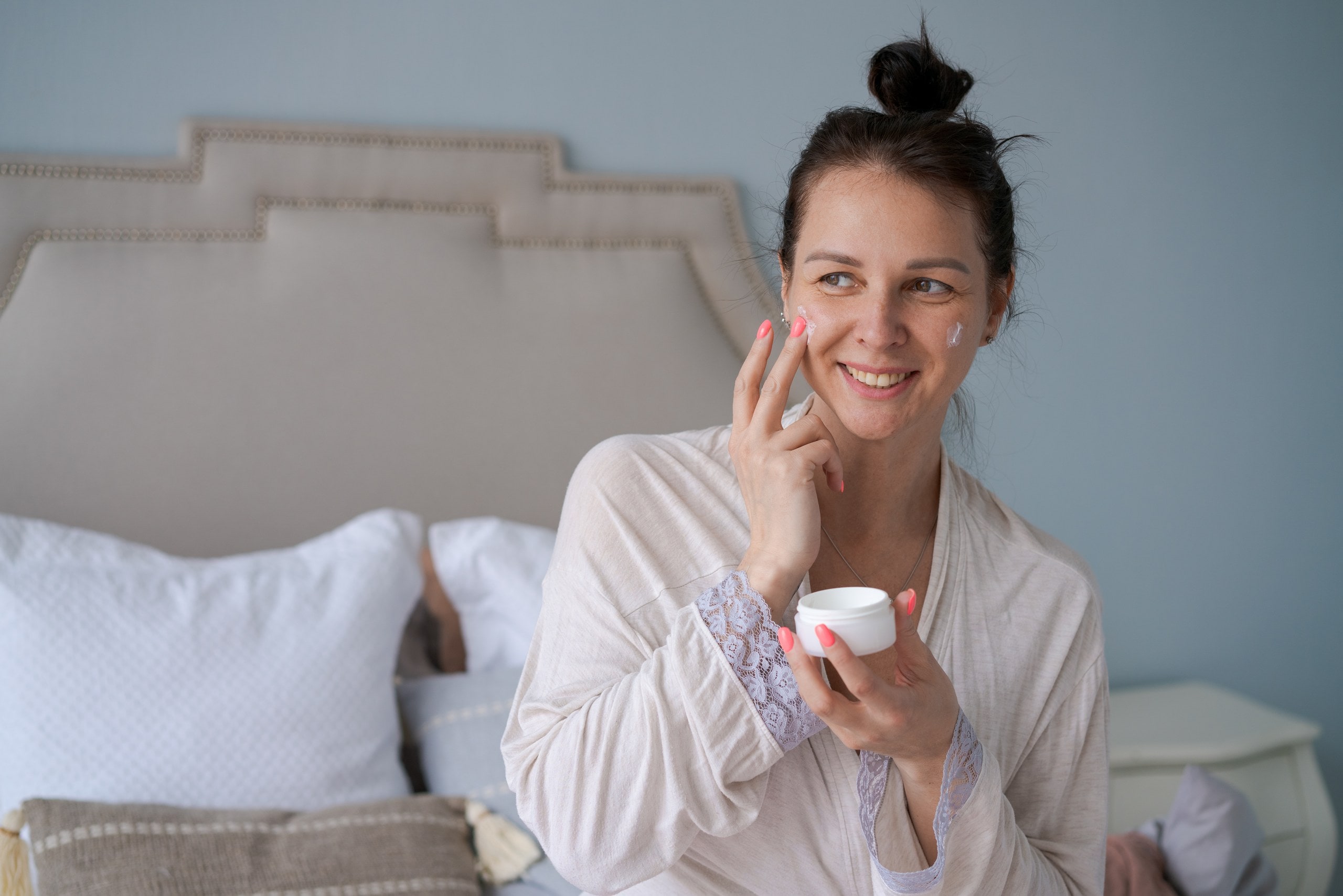
Sort what you own into cleanser, moisturiser and sunscreen, put them in order, then add one new product at a time so you can tell what it does.

There is no single best ingredient checker app. Six skincare ingredient checker apps, in their own App Store words, so you can pick by what you need.
Yes, they can share a routine. Two studies of products that contain both reported them well tolerated. Add one new product at a time and use sunscreen.
We found no study of the two used together in an everyday skincare routine. Follow each label, add one at a time and use sun protection.
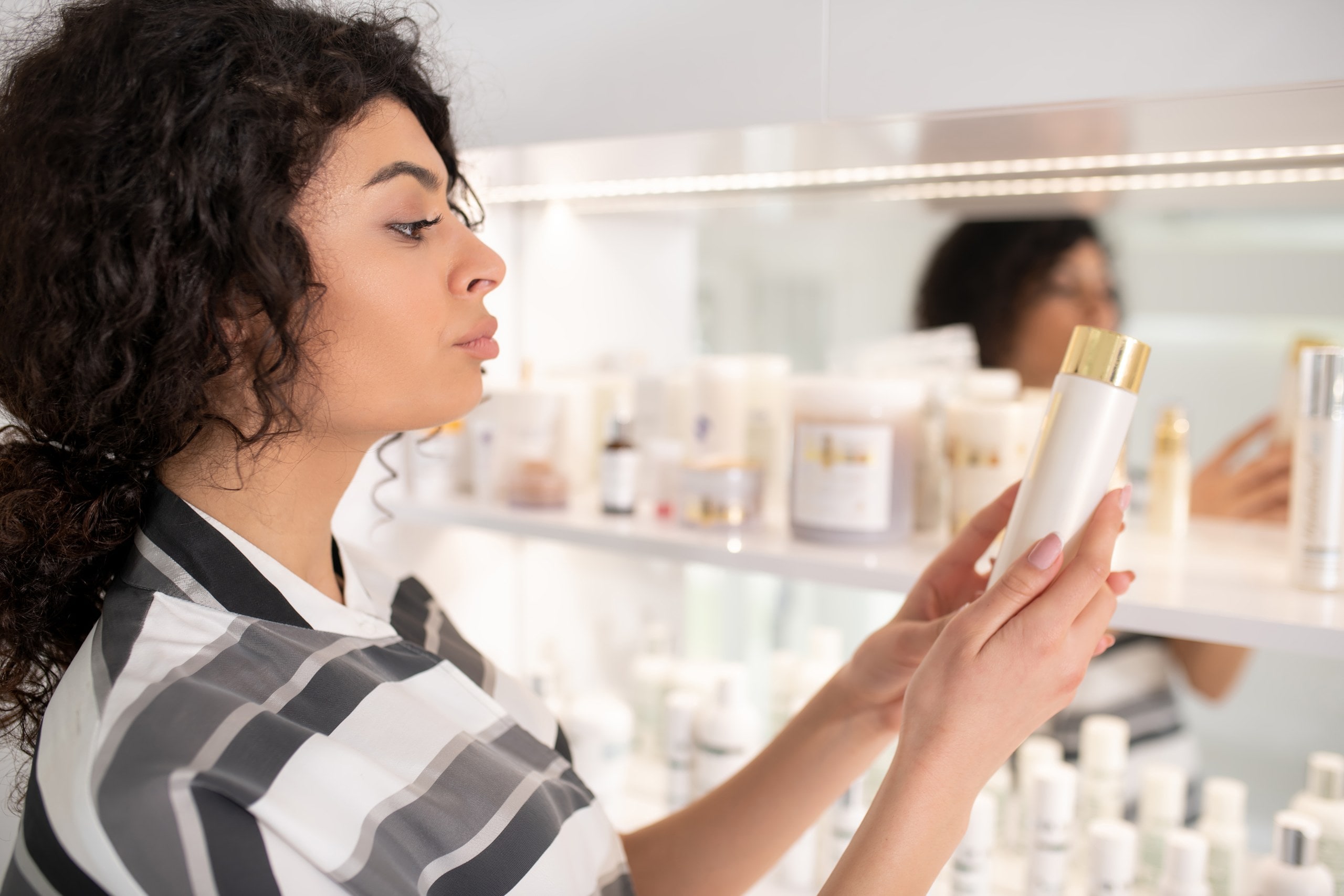
To build a skincare routine for 2027, audit what you own. Keep what you use and your skin likes. Drop what is past its date, has changed or stings.
Often, yes. Cleveland Clinic lists retinol among products to pair with niacinamide. The AAD says to start retinol every other night and build up slowly.
A 2025 review says azelaic acid may be compatible with niacinamide. No trial we found tested the pair. Prescribed? Ask a dermatologist or pharmacist.
Build it like a gentle dry skin routine: a gentle cleanser, moisturiser on damp skin and morning sunscreen. Put harsh or alcohol-based cleansers aside.
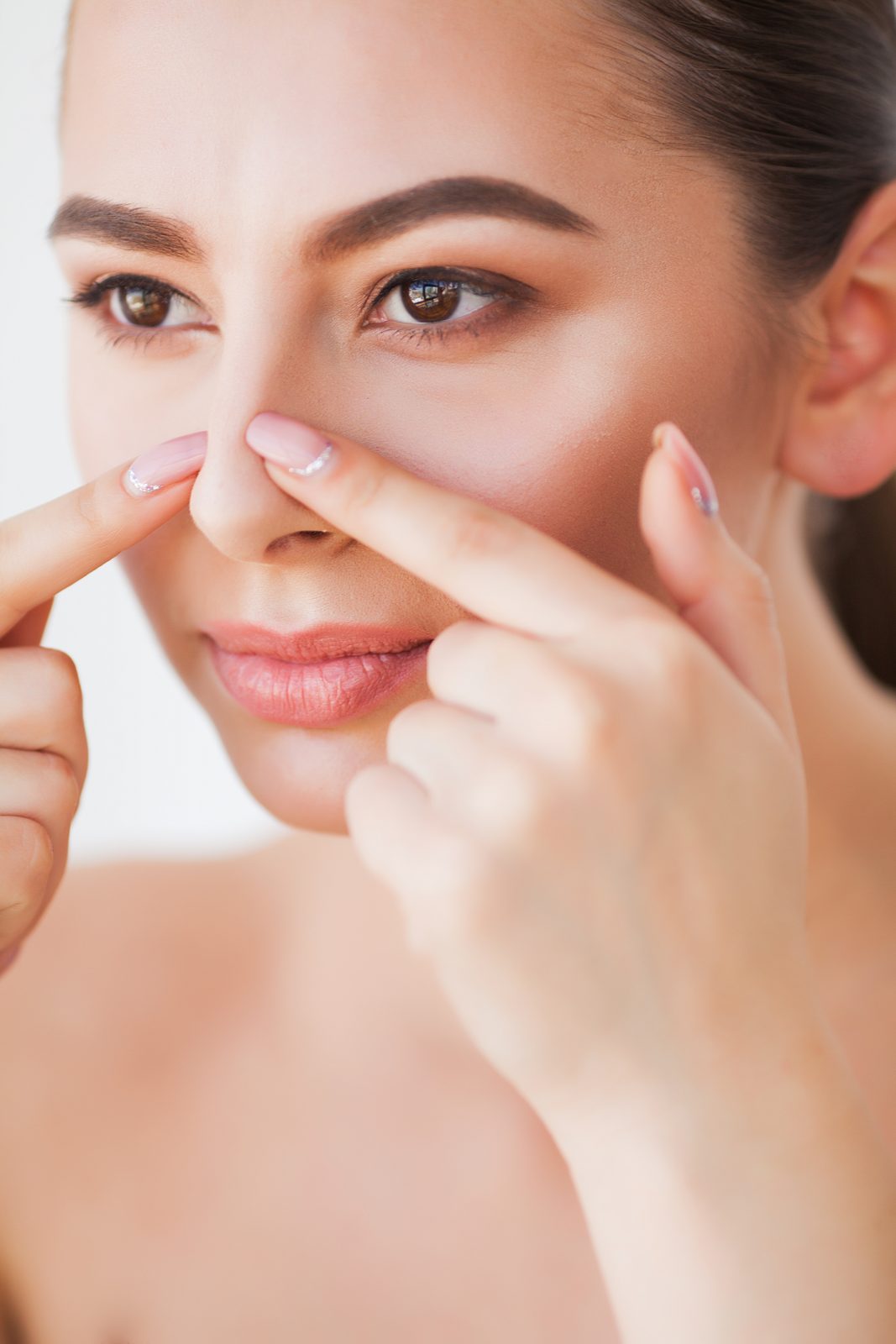
Blackheads form when oil and dead skin cells build up inside a pore. The dark colour comes from that buildup meeting air, not from dirt, says the AAD.
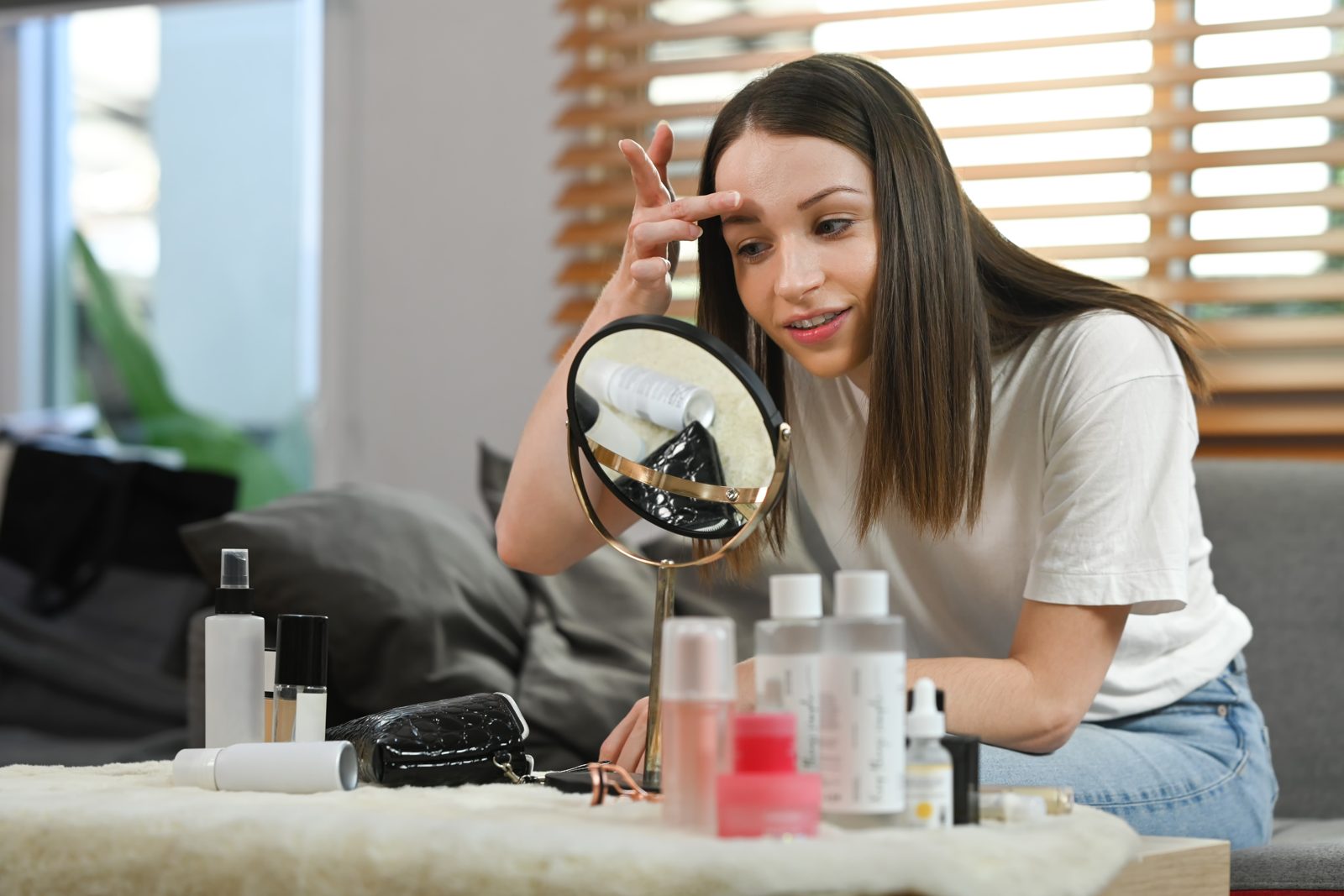
Stop if a product stings, burns or turns skin red. If not, the AAD says it takes at least 30 days to know whether it's working.

For dry skin: a gentle, fragrance-free cleanser, a cream or ointment on damp skin, and SPF 30 sunscreen in the morning. Skip alcohol and fragrance.
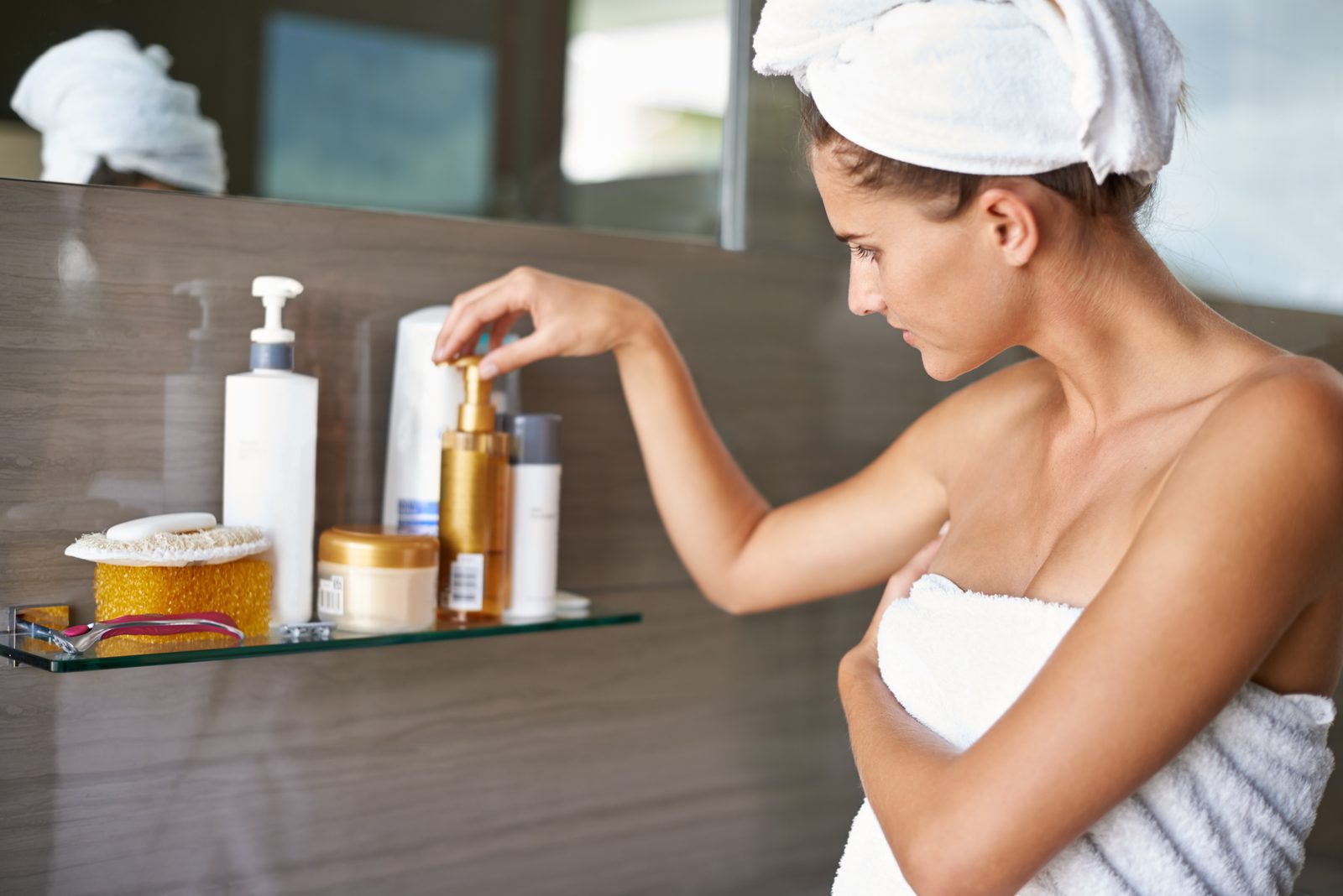
Start with what you already own: a mild cleanser and a sunscreen every day, plus moisturiser if skin is dry. Then add one new product at a time.
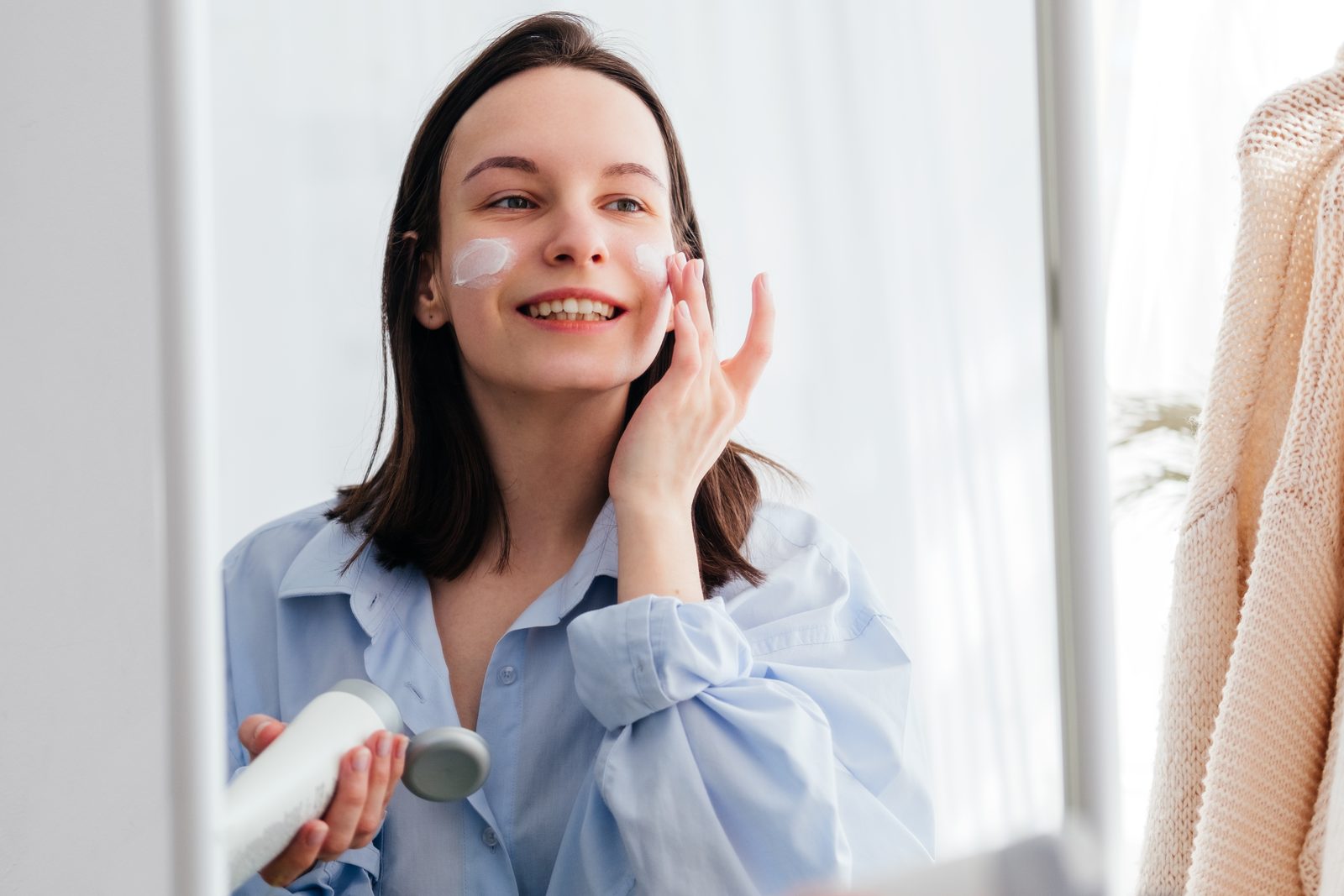
Sunscreen is the last morning step, after moisturiser. The AAD says use SPF 30 or higher and reapply every two hours when you are outdoors.
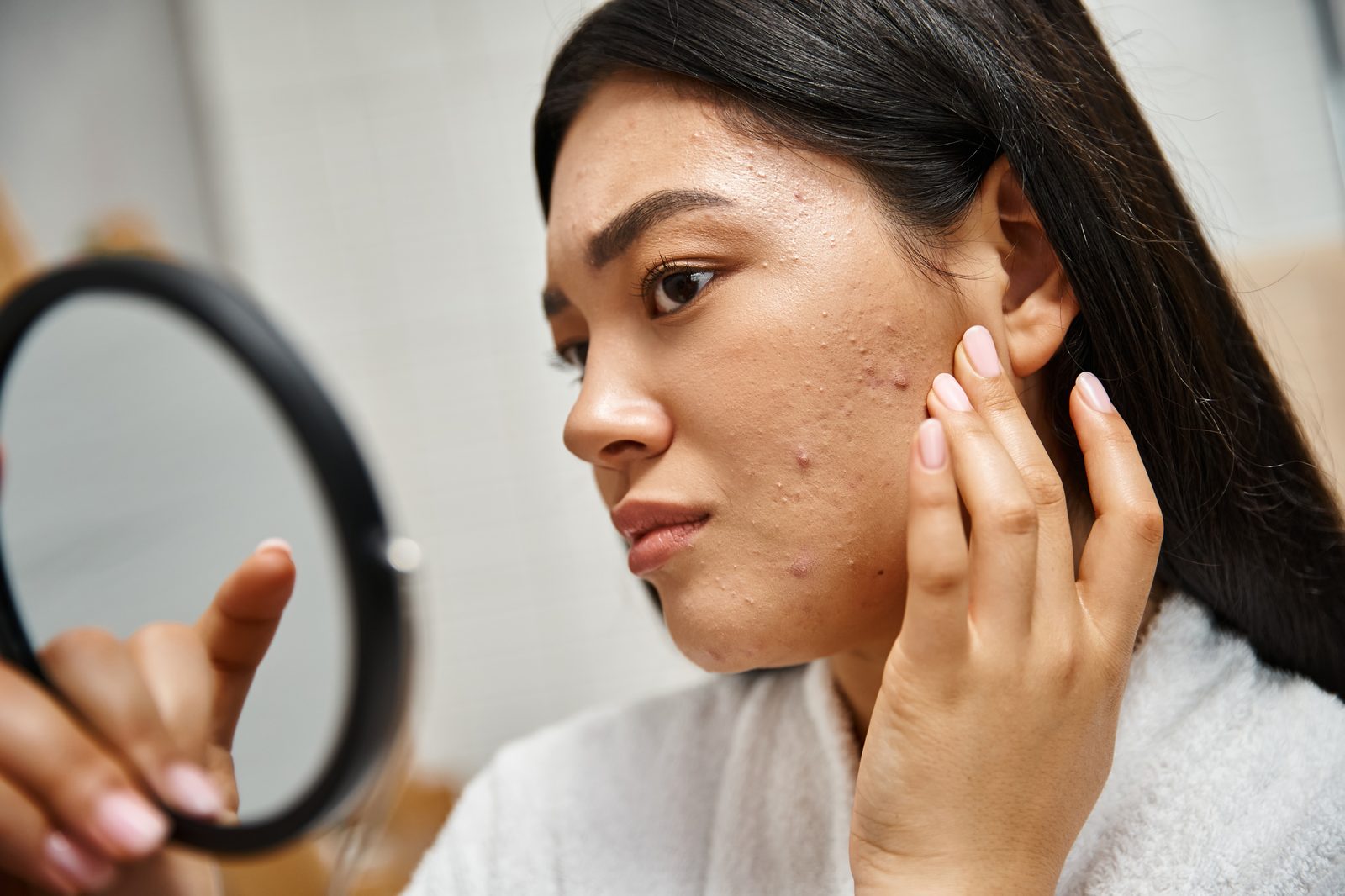
You often cannot tell skin purging from a breakout by looking. Change one thing at a time, stop anything that stings and ask a pharmacist or dermatologist.
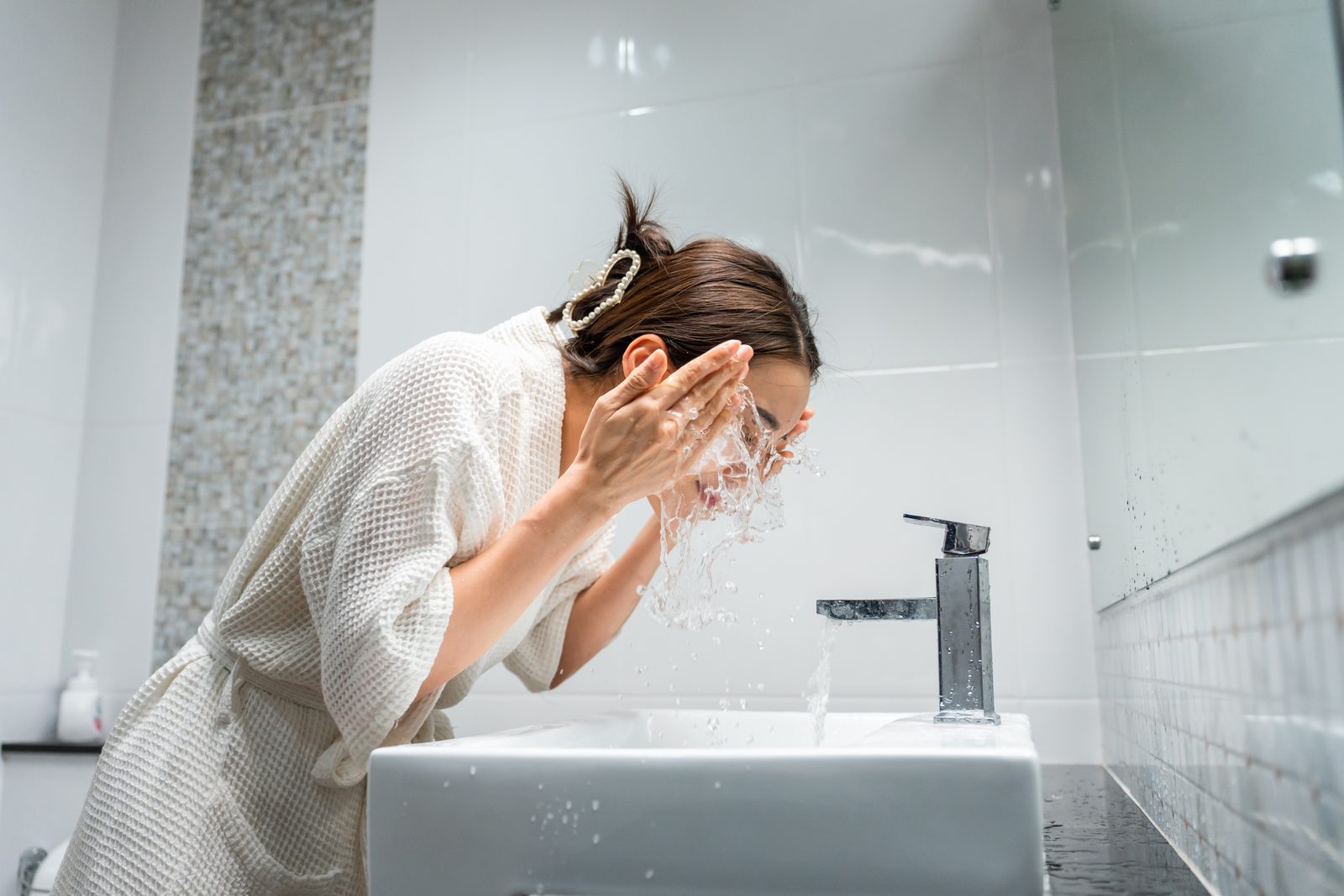
For oily skin: a gentle cleanser, an oil-free moisturiser and sunscreen in the morning, then cleanser and moisturiser at night. Oily is a skin type.

Keep a product your skin is comfortable with. Only think about replacing it once the same problem repeats, and change one product at a time.

Yes, you can use toner and sunscreen only. Toner is optional, and sunscreen goes last in the morning. Check the toner label for acids.

A Korean skincare routine has no single official list of steps. Borrow the order with what you own: cleanser, any layers, moisturiser, sunscreen last.

A morning skincare routine is cleanser, any serum you use, moisturiser, and sunscreen as the last step. Build it from what you already own.
Yes, on separate nights. Use a lactic acid lotion one night and retinol on another. Patch test anything new and wear sunscreen by day.
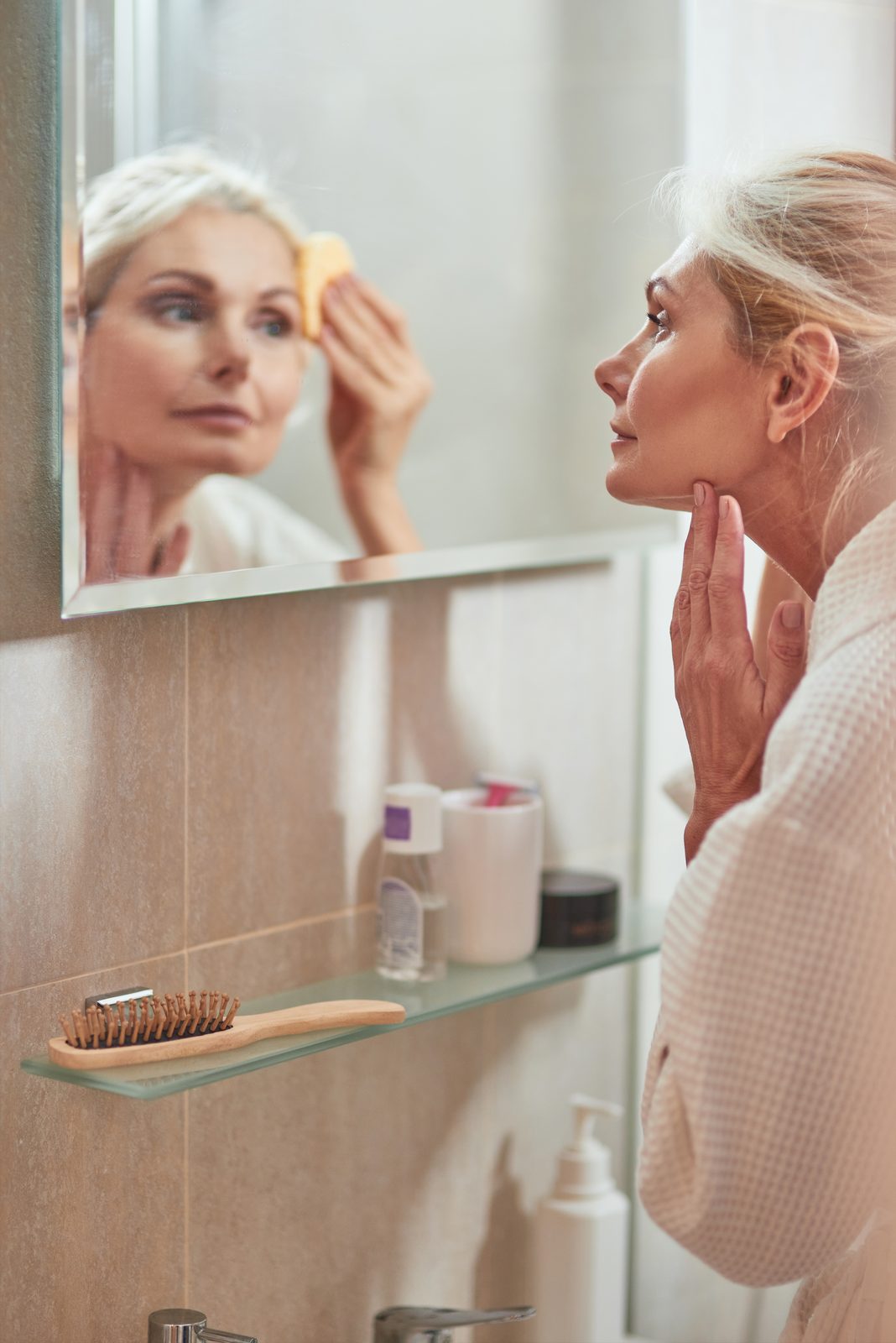
Apply cleanser, then any serum, then moisturiser, and sunscreen last in the morning. Put what you already own in that order and change one at a time.

Skincare apps look up ingredients, list your routine, follow face scans and answer questions. Here is how to choose one, starting from your shelf.
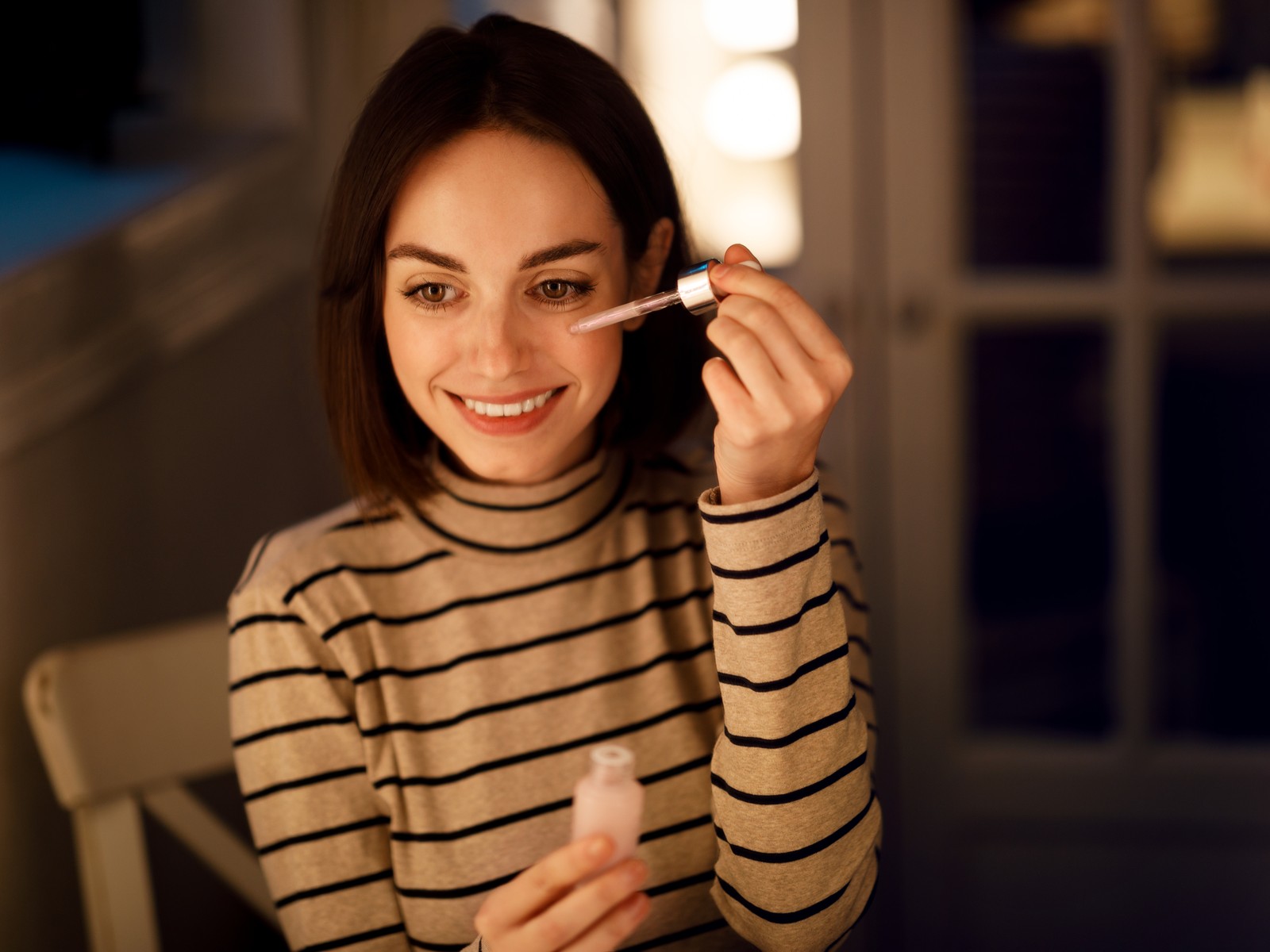
Start retinol slowly. A dermatologist told the AAD to use it every other night to start, slowly building up. Patch test first and wear sunscreen daily.

What double cleansing is, how to do it with an oil or balm and your usual cleanser, and when one gentle cleanse is enough.

What a night skincare routine includes, what order it goes in, and how to fit acids or retinol in on chosen nights using the products you already own.
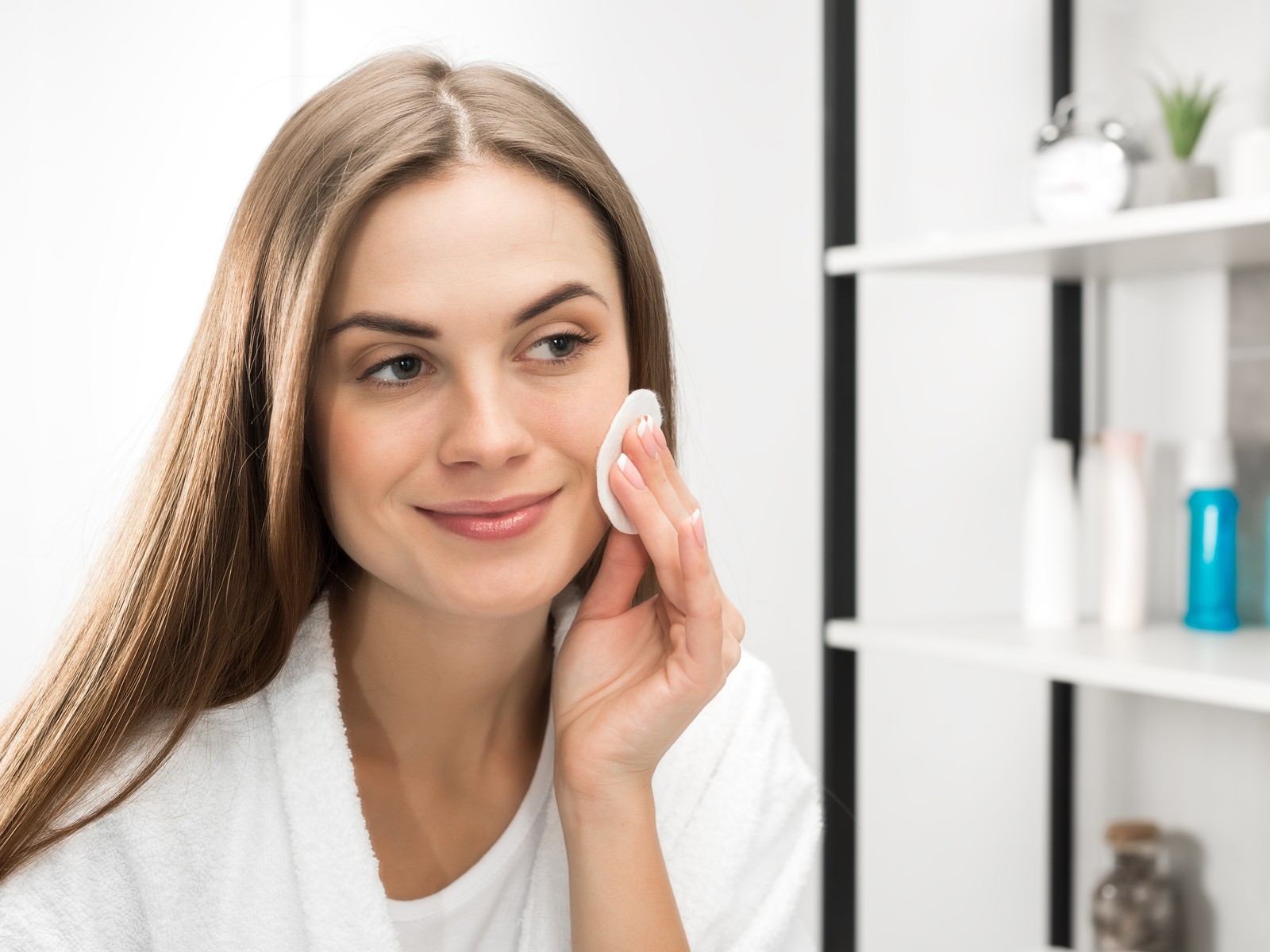
Glycolic acid is an alpha hydroxy acid (AHA) that exfoliates the skin surface. The FDA says AHAs can make skin more sensitive to the sun, so use sunscreen.
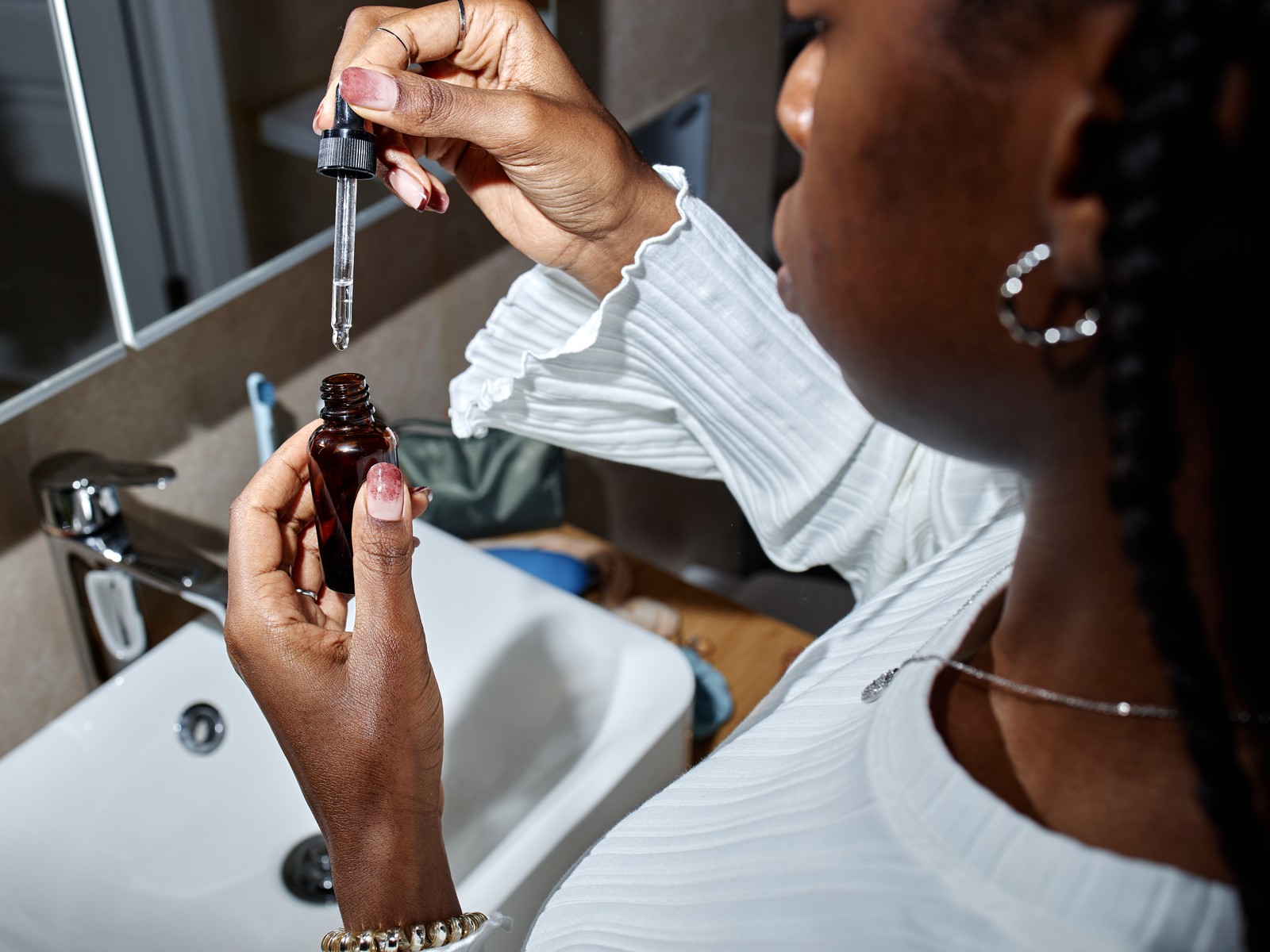
Niacinamide is a form of vitamin B3. One trial put it with a vitamin C derivative and found the formula well tolerated. It is not a rule for every serum.
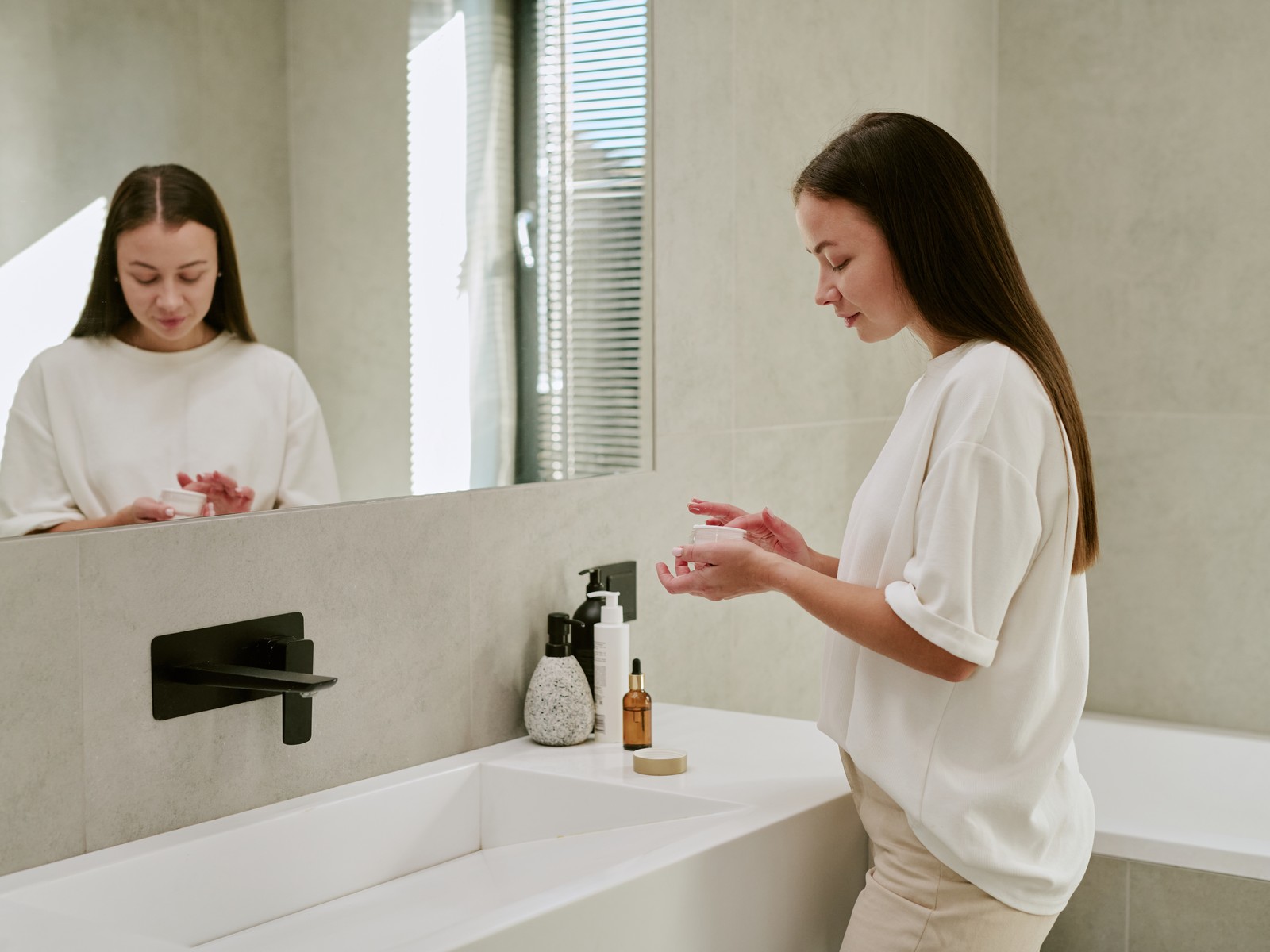
A simple routine is a gentle cleanser morning and night, moisturiser if skin is dry or itchy, and sunscreen before you go outside. The rest is optional.
In their own words: Lovi is an AI skincare assistant, Thea offers AI and in-app dermatologists, SkinSort checks ingredients. Oleah starts from your shelf.

US cosmetic labels list ingredients by amount, largest first. Under 21 CFR 701.3, the smallest ones and color additives may come last, in any order.
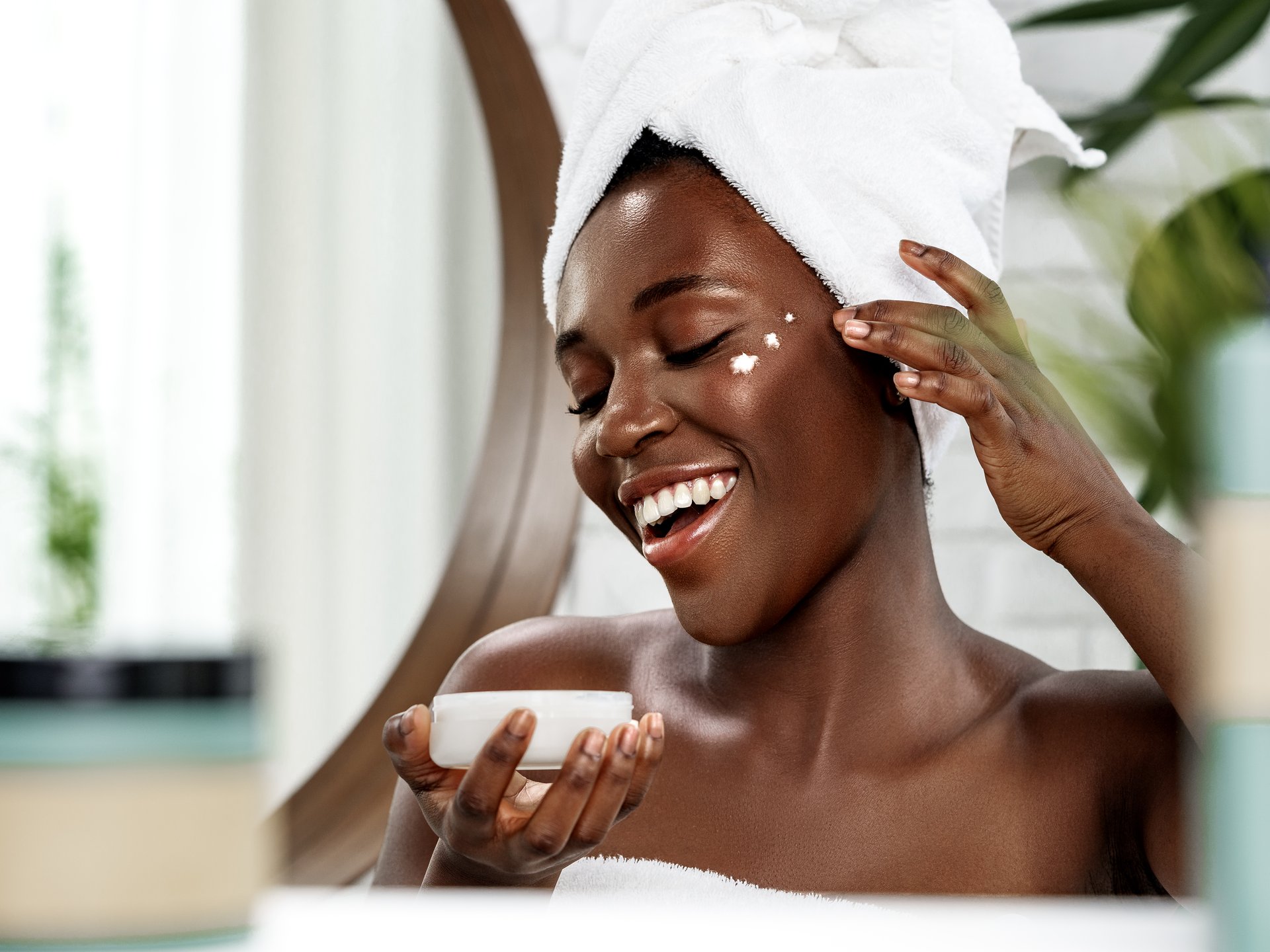
Lactic acid is an alpha hydroxy acid that exfoliates the skin surface. A larger molecule does not make it gentler. The FDA says strength and pH matter.

The AAD describes five skin types: sensitive, normal, dry, oily and combination. Judge yours over several mornings with a gentle, steady routine.
Skin cycling is a popular routine that alternates an exfoliant night and a retinoid night. DermNet says leave-on acids can be alternated with retinoids.
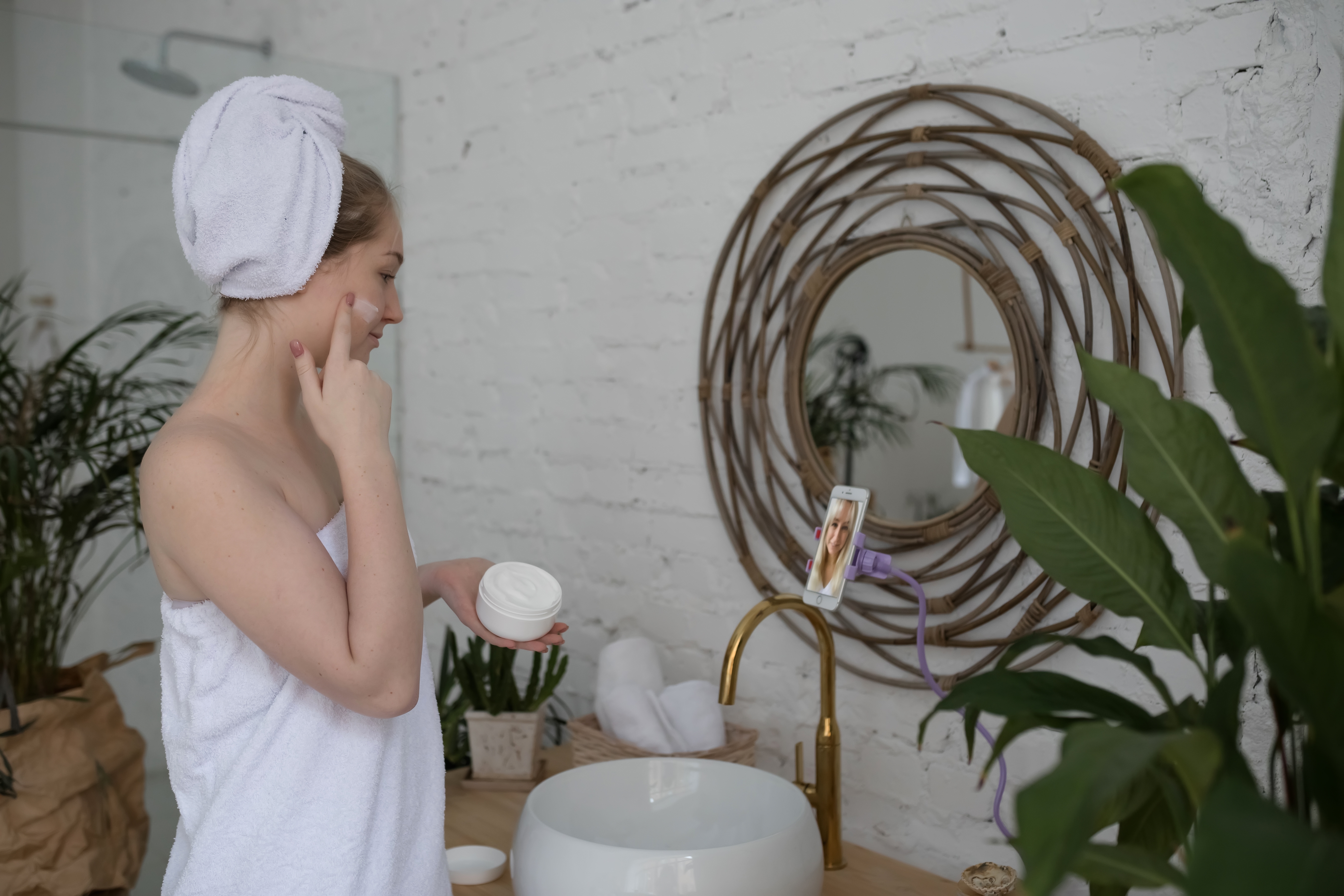
Your cleanser is working if it washes off dirt and oil without stinging, burning or leaving your skin oilier. If it stings or burns, stop using it.
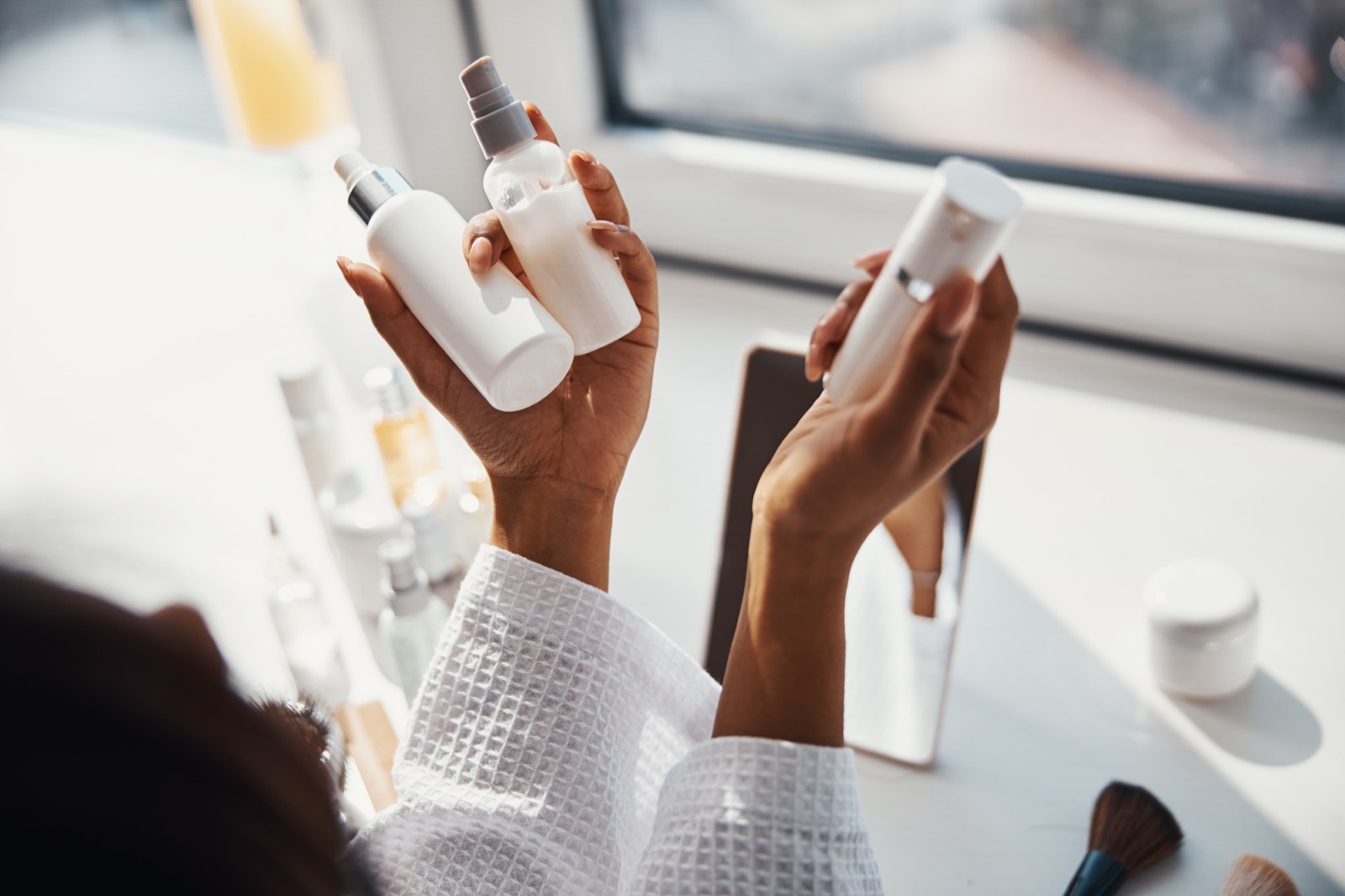
No dermatology source sets a serum count. A serum is too many when you cannot name its job or it repeats an active you already use. Change one at a time.

Start with the products you already use. If two do the same job, pause one. A shelf photo is the list, and the day 7 report is where you compare.
We found no source that says to keep retinol and vitamin C apart. Use a retinoid at night, sunscreen by day, and add one new product at a time.