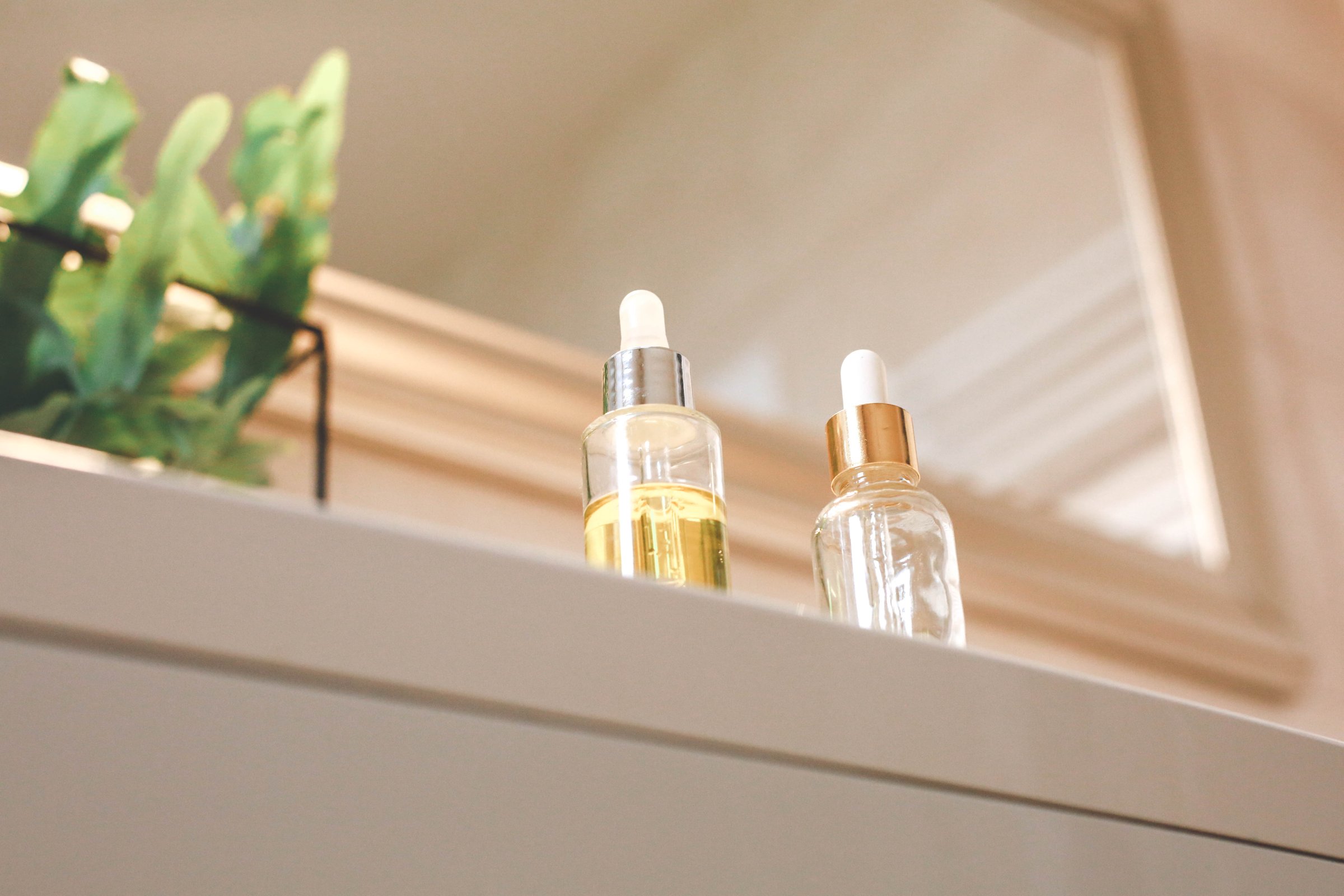

Lactic acid is an alpha hydroxy acid, or AHA, used in skincare as a gentle chemical exfoliant that loosens dead cells on the surface so skin can look smoother and feel softer. It's often described as one of the milder acids, which is why you'll find it in toners, serums and night creams aimed at people new to exfoliating.
What lactic acid does in skincare
Your skin sheds old cells all the time. Sometimes they hang around on the surface, and your face can look a bit dull or feel rough under your fingers.
An exfoliating acid helps those cells let go. Lactic acid does that gently, at the surface. It also helps the top layer of skin hold on to water, so many people find it feels less drying than some other acids.
You'll see it listed on an ingredient list as lactic acid. Sometimes a product mentions it on the front, sometimes it's tucked further down.
Why people choose lactic acid
Lactic acid has a larger molecule than glycolic acid, another common AHA. That's why it's often described as working more slowly and gently. If glycolic has stung you before, lactic acid is often the one people try next.
That said, gentle is relative. It's still an acid. A new bottle on a face that already uses three actives can still be too much.
How to start using lactic acid
- Check your shelf first. Look for any acids you already use. Glycolic, salicylic, mandelic. If you already exfoliate, you may not need another product.
- Patch test. Apply a little to one small area, like along the jaw, for a few evenings. Watch for redness or stinging that doesn't settle.
- Start with one or two nights a week. Evening is the usual time. Keep the other nights simple.
- Apply to clean, dry skin. Then follow with a moisturiser you know your skin likes.
- Wear sunscreen every morning. Skin can be more sensitive to the sun when you use AHAs, so this part matters.
- Check in the next morning. Comfortable? Carry on. Tight, flaky or stinging? Drop back to fewer nights.
- Build up slowly. If two nights a week feels fine for a few weeks, you can try a third. There's no prize for using it every night.
Lactic acid with glycolic acid
Both are AHAs and they do a similar job. Some products already combine them, which is fine as a single product. What catches people out is layering a lactic acid toner with a separate glycolic serum on the same night. That's doubling up. When you're starting out, pick one acid product and let it be the exfoliant on its night.
Lactic acid with retinol
Lactic acid and retinol are both strong for a lot of people. The common approach is to use them on separate nights. One night lactic acid, another night retinol, with plain moisturiser nights in between. That's the idea behind skin cycling. If you're new to either one, start them in different weeks so you know which is which if your skin complains.
Lactic acid with niacinamide
These usually sit well together. You might have read older advice saying acids and niacinamide should be kept apart. Many people use them in the same routine without any trouble. If you do notice stinging or flushing, use them at different times of day, niacinamide in the morning and lactic acid at night.
When to stop
If your skin stings, burns or stays red, stop using the acid and go back to a simple cleanser and moisturiser until it settles. If irritation keeps going, see a dermatologist or doctor.
For more on what can go together and in what order, read Active Ingredient Layering and Routine Clarity. If adding an acid feels like one step too many, When Your Routine Feels Like Too Much is worth a look first.
Where Oleah fits
Oleah is an iPhone skincare companion. You add the products in your routine, ask questions about them, and use quick face scans to follow visible changes over time. It can flag products in a routine that may not belong together. It does not diagnose or treat, and it does not sell skincare.
Lactic acid FAQ
Can I use lactic acid every day? Some people work up to it. Most start with one or two nights a week and see how their skin feels before adding more.
Can you use lactic acid with retinol? Usually on separate nights. Using both on the same night can be a lot for many people's skin.
Is lactic acid good for sensitive skin? It's often described as one of the gentler acids. Sensitive skin should still patch test and start slowly.
Can I use lactic acid and niacinamide together? Usually, yes. If you notice stinging, use niacinamide in the morning and lactic acid at night.